




Ford Crossover or SUV: What Sets Them Apart?
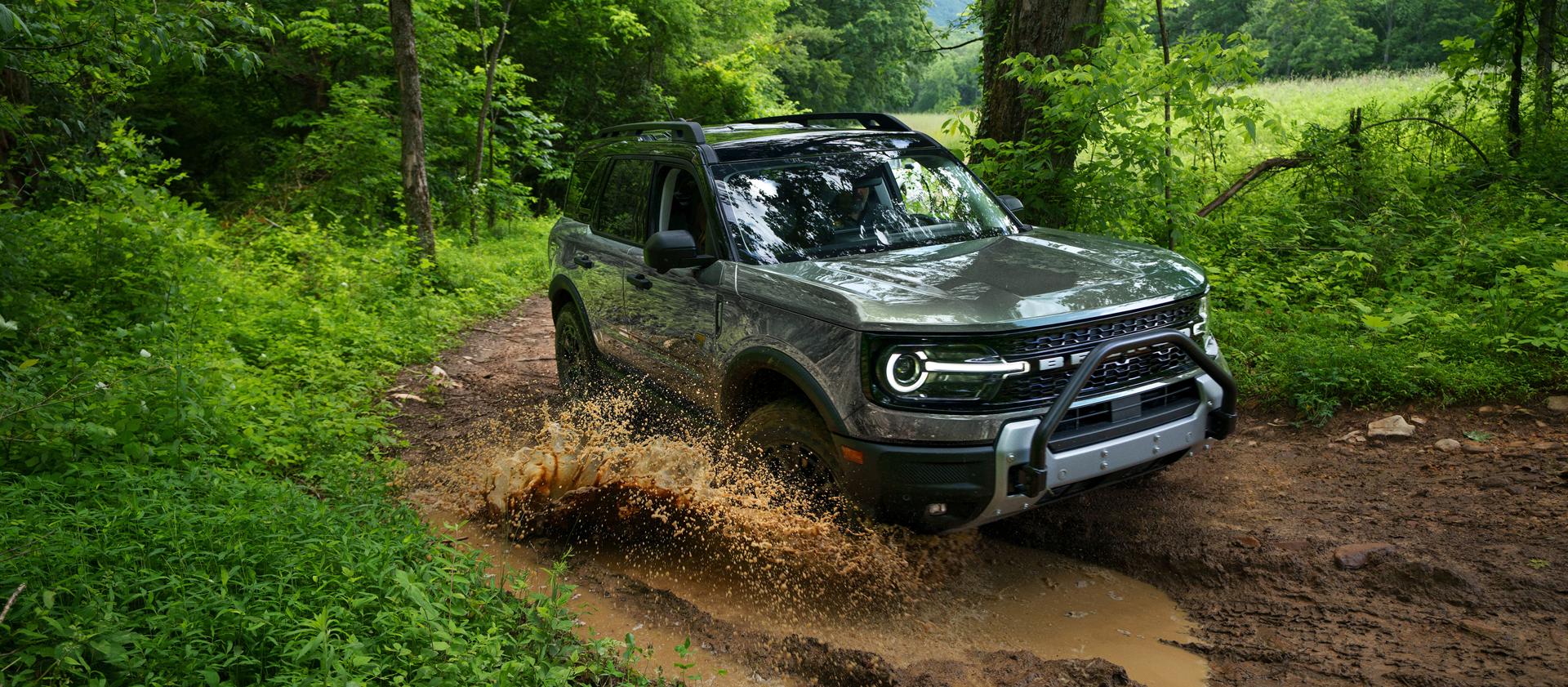
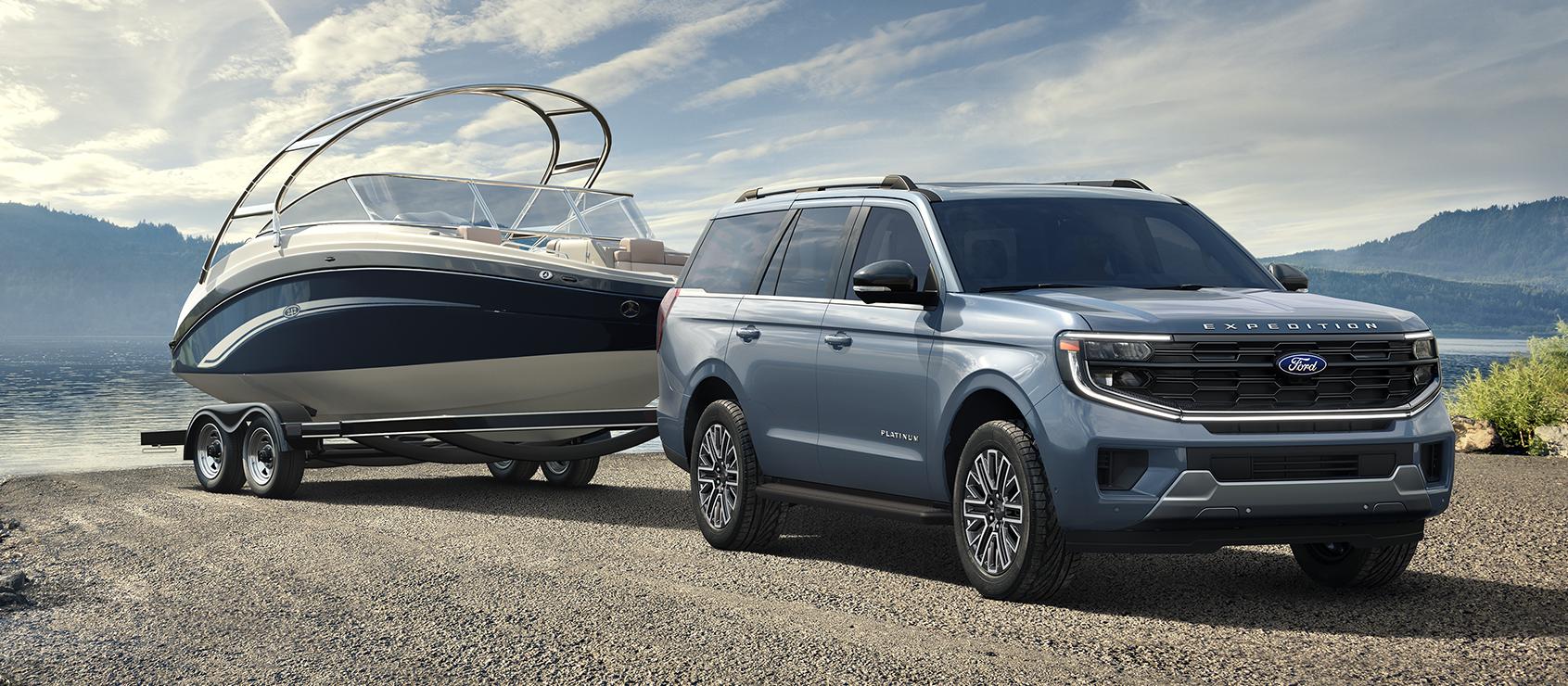
Photo Source/Copyright: Ford
What truly separates a Ford crossover from a Ford SUV? The answer lies in the skeletal foundation: crossovers use a car-like unibody, while SUVs rely on a truck-like body-on-frame design. Many drivers use the terms interchangeably, but these distinct body styles cater to different cargo needs, family sizes, and driving habits. The size and configuration of your chosen vehicle directly affect comfort, towing capacity, and fuel efficiency. Let us explore exactly what defines these vehicles so you can drive away with confidence.
What Is a Ford Crossover?
A Ford crossover utilizes a single-piece unibody platform, sharing its core engineering with modern cars. This integrated design results in a lighter overall vehicle. Although a lighter frame means they tow less than a heavy-duty truck, this weight reduction brilliantly maximizes daily fuel efficiency and handling agility. Moreover, unibody structures feature integrated crumple zones that expertly absorb impact energy, making them incredibly safe for daily transits.
Imagine zipping through tight downtown traffic or running daily errands; a crossover like the Ford Edge makes this effortless. The Edge pairs this maneuverability with tech-friendly conveniences, such as hands-free tailgates and advanced driver aids, prioritizing family comfort without the bulk.
What Is a Ford SUV?
A Ford SUV utilizes a body-on-frame architecture, bolting the cabin directly onto a high-strength steel ladder frame. This truck-based engineering supports larger builds, rugged off-road components, and high-displacement engines. While the heavier steel frame requires more fuel to move, it provides the vehicle with an unyielding spine, enabling tremendous towing capacity and durability.
Picture towing a heavy boat to the lake with up to eight passengers in tow. The full-size Ford Expedition tackles this scenario with ease, offering immense space and a towing capacity of up to 9,600 pounds.
Comparing Ford Crossovers and SUVs
When comparing the two, crossovers like the Edge deliver urban agility and tech-forward conveniences, making them a good fit for small families. In turn, traditional SUVs like the Expedition shine where heavy-duty towing, large seating for families, and off-road capability are essential. Size and capability remain the vital factors when deciding which model fits your lifestyle.
Ford SUVs by Size
Understanding a vehicle’s physical footprint is crucial for finding an impeccable fit. Here’s how the Ford lineup scales:
- Smallest Ford SUV: The Bronco Sport is a 173.1-inch compact crossover offering rugged city capability, roomy rear seating, and a versatile cargo area.
- Compact Ford SUV: The Escape measures 180.1 inches and focuses on paved-road efficiency with robust hybrid options.
- Midsize Ford SUVs:
- Edge: At 188.8 inches, it provides family-friendly, two-row spaciousness and advanced tech.
- Bronco: Ranging up to 191 inches, this off-road favorite features removable doors and rugged styling.
- Three-Row Family SUV: The Explorer stretches to 198.7 inches, providing standard three-row seating and blending crossover comfort with robust power.
- Full-Size Ford SUVs:
- Expedition: At 209.9 inches, it commands the road with seating for eight and luxury comfort.
- Expedition MAX: Extending to 221.7 inches, it maximizes extended cargo space and third-row legroom.
Ford crossovers and SUVs each bring distinct advantages rooted in their design and size. Whether you need nimble efficiency or maximum capability, the lineup offers reliable options that align with real lifestyles. Test drive Ford models that match your priorities, and you’ll find the right fit to tackle your roads ahead.
More From Sunrise Ford
Top Features of the Ford F-150 SuperCrew
Photo Source/Copyright: U.S. News Cars Four real, front-hinged doors and a back seat where full-grown adults won’t mind spending a three-hour drive: that’s the core pitch for the Ford F-150 SuperCrew, and for many truck buyers, it’s the entire conversation. If your vehicle needs to carry a crew to a dusty job site on…
Inside the Ford Explorer Interior: Best Features
Photo Source/Copyright: Ford Three rows. One cabin that has to handle soccer carpools on Tuesday and a six-hour drive to Grandma’s on Saturday. That’s the job, and the Ford Explorer interior takes it seriously, from the seat you pick for row two to the fabric you’ll be sitting on. This is how it actually…
Is The Ford FX4 Built For Adventure?
Photo Source/Copyright: Ford You’re walking the dealership lot, spot a pickup you like, and see it emblazoned on the bedside: FX4. It isn’t a standalone trim level like a Lariat or XLT, nor is it a shorthand term for the drivetrain itself. The Ford FX4 badge marks a factory option package layered onto…